




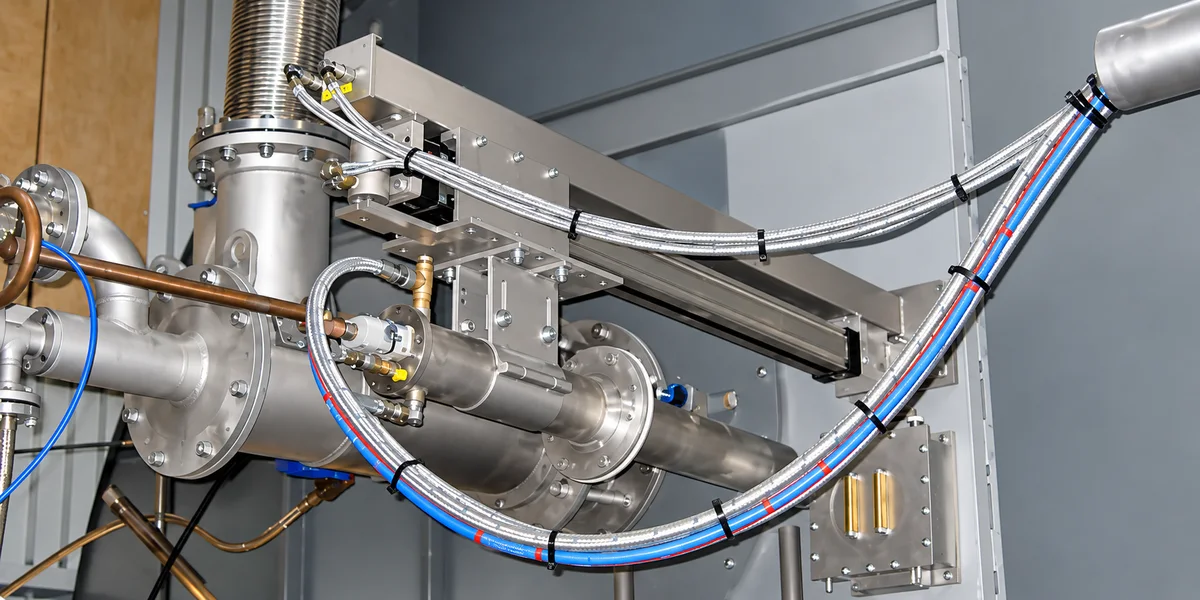
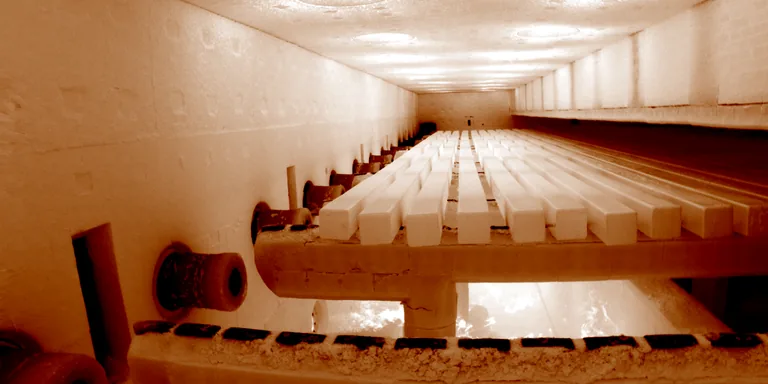
A furnace camera – also known as furnace CCTV, boiler camera or kiln camera – delivers a continuous live image from inside boilers, rotary kilns and glass melting tanks. Where temperatures prevail that no conventional camera can withstand, it makes the flame, the combustion process and the material flow visible. SOBOTTA GmbH from Neunkirchen-Seelscheid has been designing, engineering, manufacturing, installing and servicing furnace camera systems for more than 50 years – all from a single source.
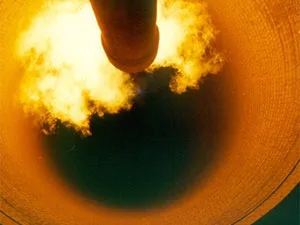
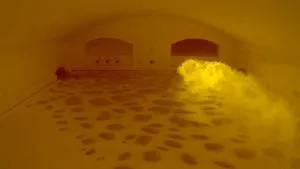
What does a furnace camera do?
The furnace camera replaces the look through the inspection port: the image is transmitted continuously to the control room, so operators can assess the process safely at any time.
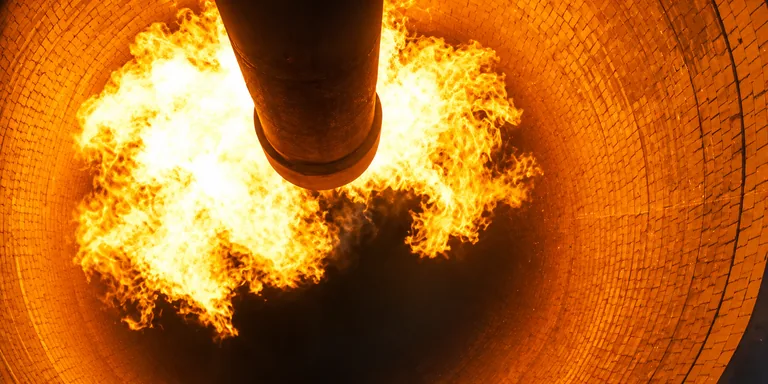
- Flame monitoring – visual control of the pilot flame for a safe start-up, followed by monitoring of flame centring in the rotary kiln.
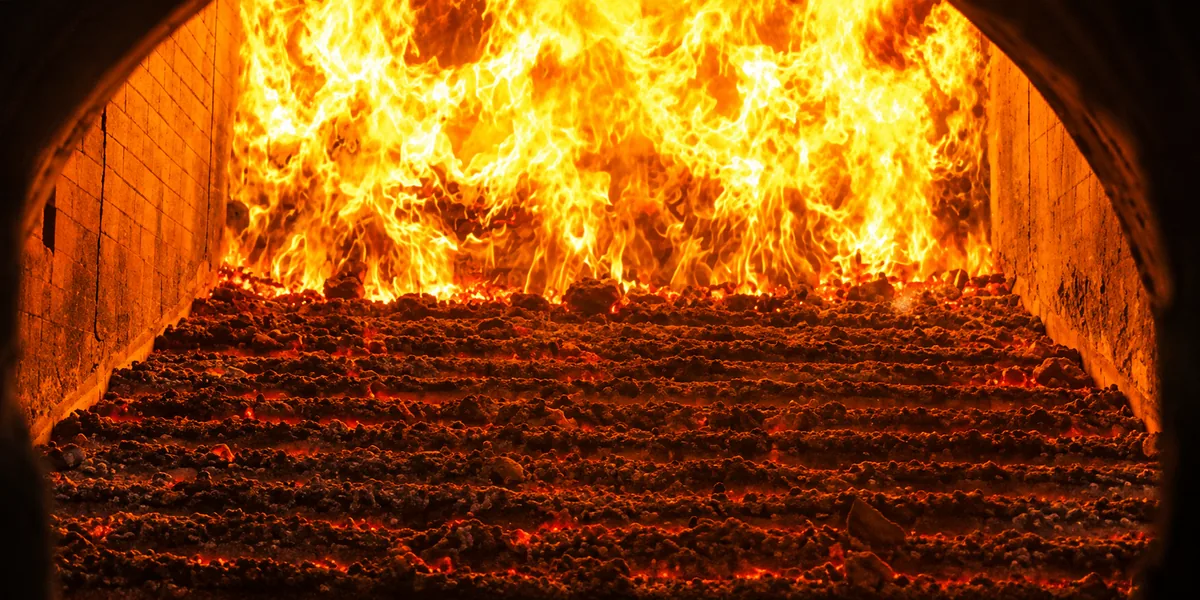
- Boiler monitoring – observation of the flame during ignition and of the coal embers on the burnout grate.
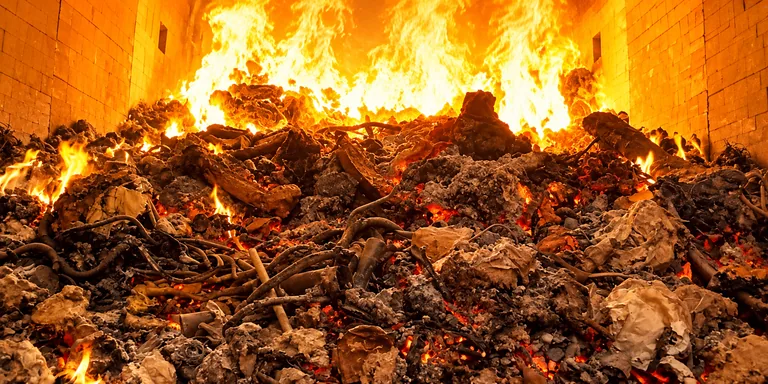
- Combustion optimisation – visual monitoring of the waste feed in waste incineration plants.
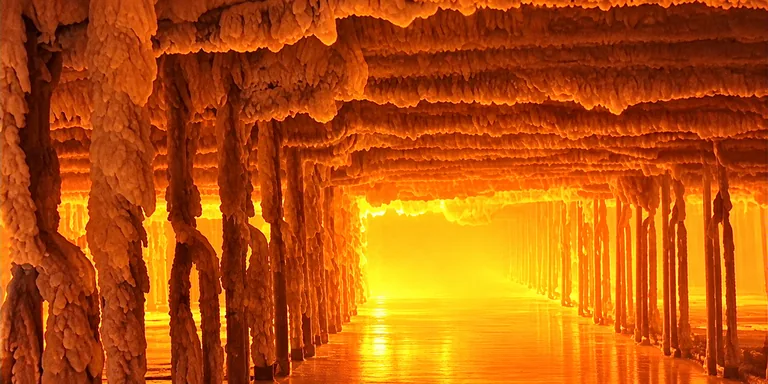
- Melting tank observation – control of bubblers and batch flow in the glass industry.
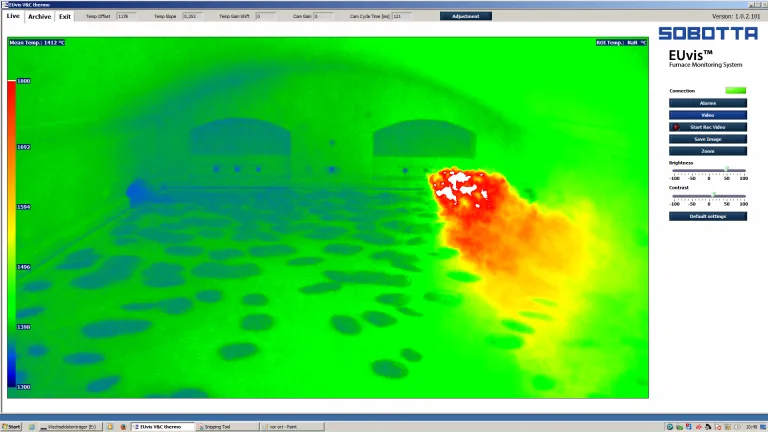
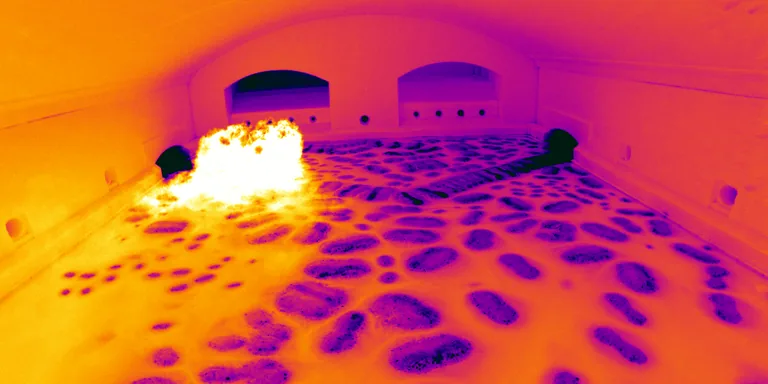
- Thermography – control of the temperature distribution in the combustion boiler or melting tank using infrared technology.
- Early warning – detect and locate damaged refractory linings, faulty processes or developing blockages at an early stage.
The result: safe, energy-saving and cost-optimised process control – and more environmentally friendly operation of your plant.
Design of a furnace camera
A furnace camera system consists of several precisely matched components. SOBOTTA manufactures them in-house and adapts them to your installation situation.
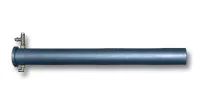
Furnace probe
Cooled probe housing in various diameters and materials, e.g. stainless steel 1.4571 (V4A) or nickel-based alloys – water-cooled or gas/air-cooled as required. For furnaces with heavy dust loads, the patented M-tube with purging mechanism is available.
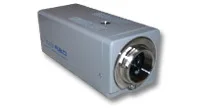
Camera
Video, network or infrared cameras with 1/2″ or 1/3″ image sensors – from the near infrared through the visible range to the near UV range. As an independent video supplier, SOBOTTA can use cameras from any manufacturer on request.
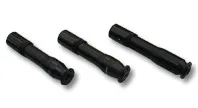
Furnace lens
Axial view with angles of view of 70°, 94° or 110°, or oblique view (radially angled at 45°, 70° or 90°) up to a 110° diagonal angle of view – with filter holder thread, automatic iris control and optional remote iris control.
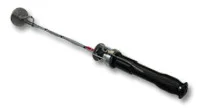
Camera insert & thermal alarm
Camera insert on a telescopic rod with purge air connection. A thermal alarm contact (normally closed, opens at > +55 °C) or a PT100 protects the camera against overheating.
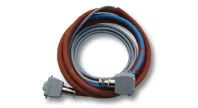
Camera system cable
12 × flex 0.25 mm² with 75-ohm video conductor, double-shielded, heavy-duty 16-pin connector, heat-resistant up to 230 °C in a SILTEMP fireproof protective sleeve. For network and IR cameras with integrated CAT-8 cable.
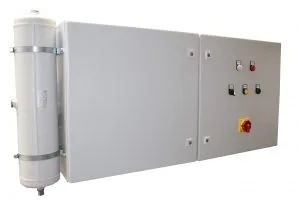
Control and supply cabinet
Monitors cooling media, compressed air and purge air and reports faults to the control room as potential-free group or individual alarms.
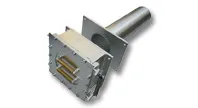
Sicromal tube & closure box
A Sicromal tube made of 1.4841 is fitted into the furnace wall; the spring-flap closure box automatically seals the opening as soon as the probe is withdrawn.
Installation options: retraction unit or fixed installation
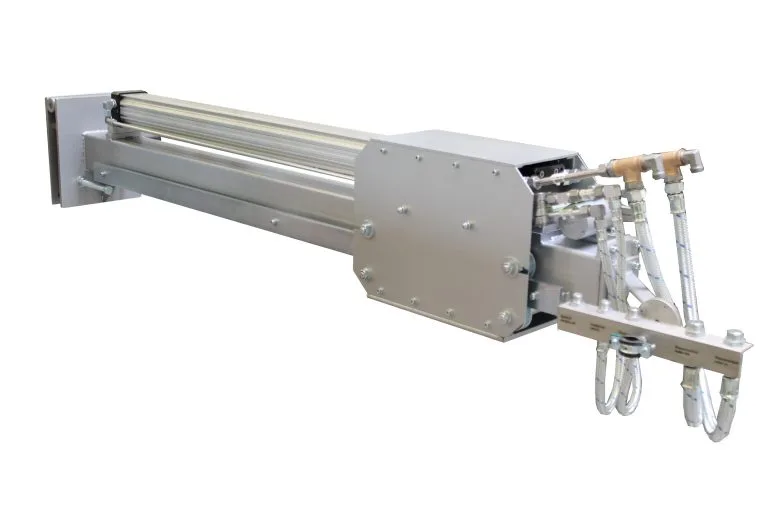
Furnace cameras are mounted either with an automatic retraction unit or as a fixed installation. Which option is right depends on the process, the available space and the budget.
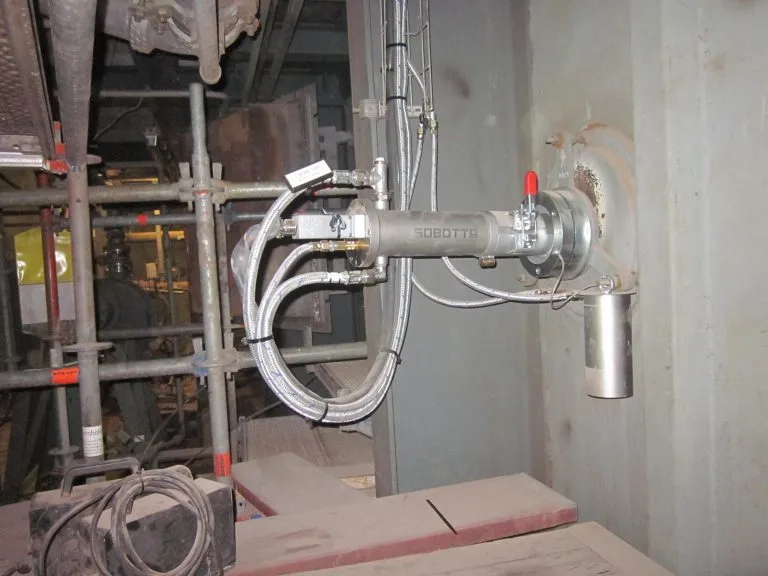
| Criterion | With retraction unit | Fixed installation |
|---|---|---|
| Behaviour in the event of an alarm | Probe is automatically retracted from the hot zone – including emergency retraction via a pressure vessel if the compressed air supply fails | Probe must be removed manually without delay |
| Space requirement | Stroke individually from 400 to 1200 mm, longer strokes on request | Small dimensions, suitable for very confined spaces |
| Tightness | Sealing flange seals off when the probe is retracted | For processes requiring an absolutely tight observation opening |
| Drive & mounting position | Pneumatic, rodless band cylinder; any mounting position, even vertical | Mounting flange with clamp, insertion depth freely selectable within limits |
| Operation | Remote control from the control room possible | Media monitoring with visual or audible alarm |
| Costs | Higher investment, maximum safety and service life | Comparatively low purchase cost |
Cooling and accessories
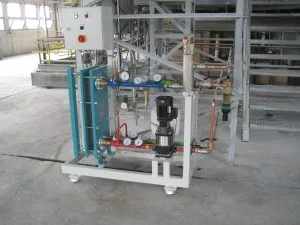
Water/water cooler
Closed secondary circuit with treated water and corrosion inhibitor – protects the probe against scaling and fouling, even with hard or contaminated on-site water and at ambient temperatures above 45 °C.
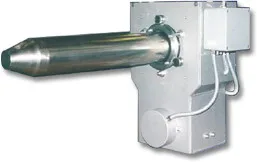
Rotating devices DV-E & DV-S
DV-E with optional position indicator for exact camera positions and a brake without overrun, controllable from the control room. DV-S with reinforced bearings for furnace probes from 1300 mm in length.
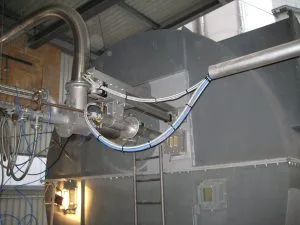
Water-cooled retraction unit
For continuous operation at extreme ambient temperatures, e.g. at the melting tank in the glass industry.
Applications of the furnace camera
Why a furnace camera from SOBOTTA?
- More than 50 years of experience in developing furnace CCTV and automatic retraction units for high-temperature applications.
- In-house manufacturing – ideal conditions for customised solutions and flexible adaptation to your plant.
- Independent in camera technology: network, analogue or IR cameras, from any manufacturer on request.
- Support from planning and commissioning through to maintenance by experienced design engineers and service technicians.
Certified quality
Certified to DIN EN ISO 9001 and SCC by TÜV Nord – SOBOTTA furnace cameras are in use worldwide.
Frequently asked questions about the furnace camera
How does a furnace camera withstand the high temperatures?
The camera sits inside a cooled furnace probe – water-, gas- or air-cooled depending on the version. Purge air keeps the optics clear, a thermal alarm monitors the temperature, and in systems with a retraction unit the probe is automatically withdrawn from the hot zone in the event of an alarm.
Which angles of view are available?
Axial lenses are available with 70°, 94° and 110°; lenses for oblique view are radially angled at 45°, 70° or 90° with up to a 110° diagonal angle of view. Other angles of view are available on request.
What happens if the cooling or the compressed air fails?
The control and supply cabinet monitors all media and reports faults to the control room. With a retraction unit, a pressure vessel ensures automatic emergency retraction of the probe – even if the compressed air supply fails.
Can cameras from other manufacturers be used?
Yes. SOBOTTA is an independent video supplier and can integrate cameras from any manufacturer on request – as network, analogue or infrared cameras.
Is temperature measurement also possible?
With infrared cameras, the temperature distribution can be displayed thermographically, for example in the combustion boiler of a waste incineration plant or in the melting tank.